







Search Results for: hand-stir-fried brown sugar pearls
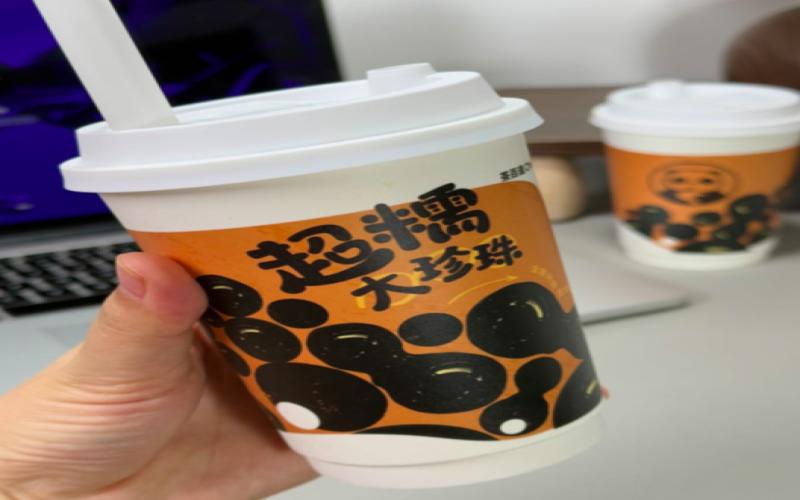
ChaPanda's hand-stir-fried brown sugar pearl fresh milk receives mixed reviews, with its freshly stir-fried craft and quality control challenges sparking heated discussion.
Tea Baidao recently launched a new product, "Hand-Stir-Fried Brown Sugar Pearl Fresh Milk," and footage of store employees tossing and stir-frying pearls in the back kitchen sparked attention on social media. This new item, which involves stir-frying brown sugar syrup and pearls on site, has been regarded by some milk tea fans as the "top-tier among pearls," attracting many people to place orders and try it as soon as possible. However, the first wave of consumer reviews showed clear polarization: some were won over by the soft, chewy, caramelized texture, while others bluntly said the pearls tasted as if they had been soaked for too long, with some even detecting a disinfectant-like taste. The controversy centers on the quality of the semi-finished pearls, unstable quality control caused by differences in operations across stores, and whether the on-site stir-frying format can truly improve the experience. This article compiles feedback from multiple sources, explores the craftsmanship and quality control challenges behind this cup of freshly stir-fried pearl milk tea, and includes related recommendations from Front Street Coffee. [more…]
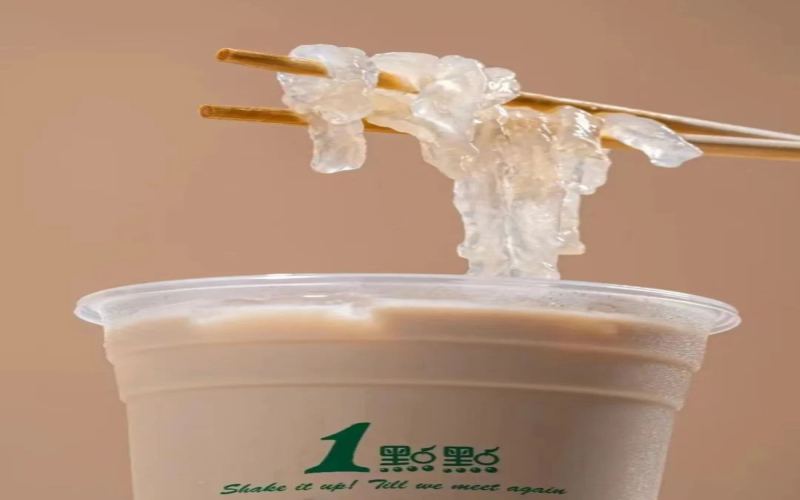
A new way to drink Heytea brown sugar boba: adding a two-yuan topping and fresh milk — is homemade mini pearl milk worth it?
Milk tea toppings are getting more and more elaborate, and some people even just want the toppings without the tea base. Recently, a "low-cost Heytea" hack has been trending on social platforms: spend 2 yuan on a portion of brown sugar boba, pair it with a bottle of fresh milk, shake it a few times, and you've got a mini version of brown sugar pearl milk. It's said that bringing your own cup saves even more—3 yuan gets you two portions of toppings. But does this DIY version actually taste good? How big is the gap compared with the original from the store? This article walks you through netizens' hands-on test experiences and ordering phrases, and takes a look at the consumer psychology behind the involution of milk tea toppings. [more…]

Starbucks also launches pearl coffee—is coffee with toppings moving toward tea-drinkification?
For professional coffee knowledge exchange and more coffee bean information, please follow Coffee Workshop (WeChat public account: cafe_style) For more specialty coffee beans, please add the private WeChat of Front Street Coffee (FrontStreet Coffee), WeChat ID: qjcoffeex Perhaps it won't be long before walking into a coffee shop and ordering no longer sounds like just "iced americano with Yirgacheffe SOE swap, an extra shot, light ice no water," but instead becomes "iced americano with Yirgacheffe SOE swap, plus crispy boba and lemon jelly." From Heytea putting brown sugar boba into coffee, to Luckin using brown sugar agar to create its Meteorite Latte, to Starbucks trying caramel coffee popping boba in certain regions, adding toppings to coffee is no longer anything new. This innovation path has both attracted a large number of young consumers and continually sparked debate among traditional and specialty coffee enthusiasts. This article sorts out several key moments in the tea-ification of coffee and discusses what this change means for the coffee industry. [more…]
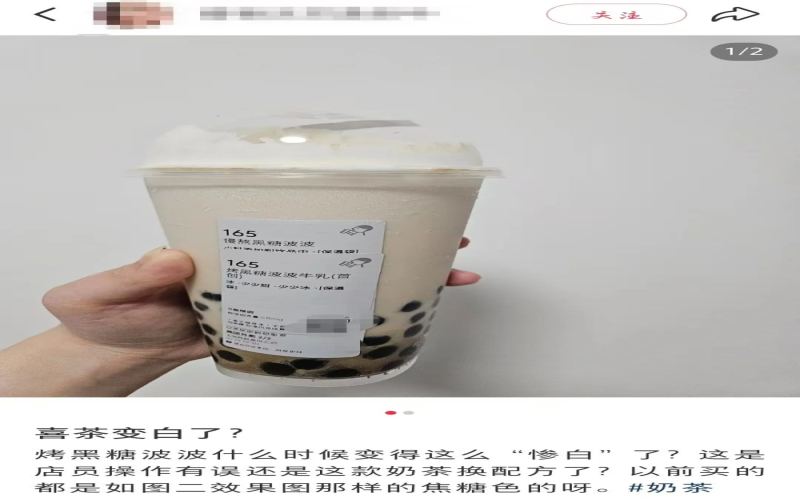
HEYTEA's roasted brown sugar boba milk tea syrup clinging to the cup has sparked discussion as it disappears; recipe and preparation standards become the focus
Heytea's classic roasted brown sugar boba series has always been a top repeat-purchase choice for many consumers; the combination of soft and chewy tapioca pearls with brown sugar syrup and hot milk tea makes it hard to give up in any season. However, recently, many enthusiasts across the country have noticed that the brown sugar boba milk tea they received has visibly "turned white" in appearance. The signature dark brown syrup coating that used to cling to the cup wall is no longer visible, and the boba no longer sinks to the bottom together with the brown sugar syrup, but instead floats distinctly as separate particles suspended in the milk tea. This change quickly sparked discussion: is it caused by the syrup dissolving due to stirring in a hot drink, or has the brand quietly adjusted its ingredients and formula? Heytea staff give differing accounts, while the official account denies any formula change and attributes the cause to some stores failing to prepare it according to standard. This article compiles consumer feedback and responses from various parties, and includes relevant recommendations from Front Street Coffee, for the reference of coffee and tea beverage enthusiasts. [more…]
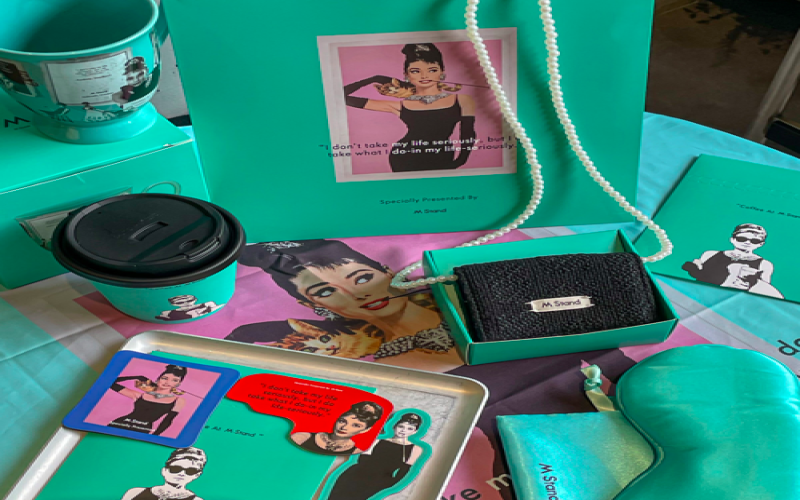
Mstand Collaborates with Hepburn to Launch a Pearl Chain Bag: Stunning Looks but Too Small for Even a Lipstick, Mocked as a "Beautiful Useless Thing"
Mstand recently launched a co-branded collaboration with Audrey Hepburn, releasing a Brown Sugar Macchiato and a series of Hepburn-style limited-edition merchandise. Among them, the pearl chain Mini Crossbody Bag sparked a buying frenzy thanks to its high aesthetic appeal. However, after the first batch of consumers received the actual product, they discovered that the bag was extremely small—too small to even fit a single lipstick—making its practicality far lower than expected. It was jokingly dubbed a "beautiful piece of junk that can only hold emotional value." Mstand had previously earned the nickname "the luggage factory of the coffee world" for practical merchandise like its "grocery basket" and denim bag. This collaboration, however, left many fans disappointed. This article will review the actual situation and consumer feedback regarding this collaborative merchandise, and explore the balance between aesthetics and practicality in brand merchandise development. [more…]
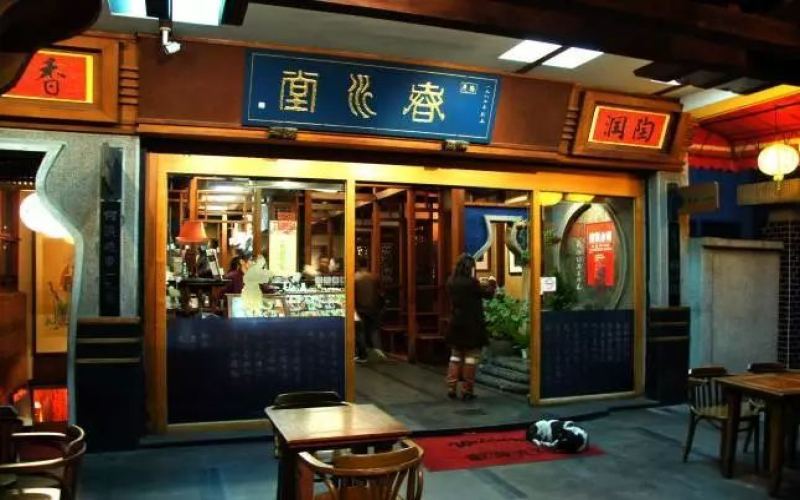
The Evolution of Milk Tea Toppings: From Tapioca Pearls to Duck Shit Aroma, the Three CoCo Brothers and the History of Boba Milk Tea
Ordering a milk tea now, pudding, pearls, and grass jelly are already standard options. Thirty years ago, the earliest milk teas were far less elaborate. Starting from 1987, when Taiwan's Chun Shui Tang dropped tapioca pearls into milk tea, the matter of adding toppings has gone through a long process of being banned, recombined, cross-industry experimentation, and a rotating lineup of niche fruits. CoCo都可 combined pearls, pudding, and grass jelly into one drink, giving rise to the now-familiar "Milk Tea Three Brothers." Nowadays the direction of toppings has shifted again—lemon tea is actually more popular without toppings, and new faces like Yashixiang, bergamot, turmeric, and peach gum have appeared one after another. This piece reviews the key milestones in milk tea toppings and also shares some observations from Front Street Coffee on current tea beverage trends. [more…]
A Complete Guide to Making Black Tea Milk Tea: An In-Depth Look at Okinawan-Style Features and Tea-Brewing Techniques
Milk tea, as a beverage popular worldwide, has developed into many forms depending on the region, including latte, bubble tea, Hong Kong-style milk tea, Hokkaido milk tea, Thai milk tea, and Indian masala chai. Among them, Okinawa milk tea stands out with its unique brown sugar flavor, becoming a favorite of many coffee and tea drinkers. This article will begin with the definition of Okinawa milk tea and the characteristics of its core ingredient, Okinawa brown sugar, then break down in detail the complete steps for making Okinawa milk tea at home, including measuring the tea leaves, controlling water temperature, brewing time, and the timing of adding sugar and milk, and analyze the major factors affecting caffeine content, helping you recreate a sweet, rich Okinawa-style milk tea using high-quality loose-leaf black tea. [more…]

Milk Tea Shop Slogan Sparks Controversy: Calling Customers "Idiots" Backfires as Marketing Strategy
A milk tea shop in Hunan has sparked heated discussions online due to controversial slogans posted inside the store. The slogan, in white text on a red background, reads "This shop does not serve idiots," and suggests customers go to milk tea shops that haven't been open for "a few days" to drink self-produced milk. This way of expressing things not only left many netizens confused, but was also seen as "taking passive-aggressive jabs at peers and insulting consumers." It is worth noting that this shop previously imitated Mixue Bingcheng, recently shifted to the pearl milk tea track, and its promotional slogan has also been accused of being similar to Baozhu Gong. Is this kind of marketing strategy clever, or is it shooting itself in the foot? Let's take a closer look. [more…]
Yunnan Typica vs. Catimor Pour-Over Comparison: A Detailed Guide to Variety Characteristics, Growing Regions, and Brewing Parameters
Yunnan is China's most important coffee-producing region. Most Yunnan beans commonly found on the market are of the Catimor variety, while Typica is an old variety with a long history. This article starts with the washed Yunnan small-bean (Catimor) and the 2013 sun-dried Typica from Front Street Coffee's everyday-drinking series, systematically sorting out the origins and differences of the two major varieties, introducing the terroir characteristics of the four major producing regions of Baoshan, Dehong, Pu'er, and Lincang, and sharing the principles of the two processing methods, washed and sun-dried. On this basis, Front Street provides a pour-over recipe tailored to the balanced tonality of Yunnan coffee, including specific parameters such as a V60 dripper, 88°C water temperature, and a 1:15 coffee-to-water ratio, helping enthusiasts brew a layered cup interweaving notes of nuts, brown sugar, and plum acidity. [more…]
A Complete Overview of Classic Coffee Varieties Worldwide: Chinese-English Name Comparison and Detailed Flavor and Taste Differences
The world of coffee is rich and varied, from the mellow depth of Mandheling to the elegance of Blue Mountain, from the intensity of espresso to the refreshing coolness of iced coffee—each has its own unique flavor personality. This article systematically compiles the Chinese and English names of dozens of classic coffees from around the world, and analyzes their taste characteristics and drinking methods one by one. Whether you are a beginner just starting out or a seasoned connoisseur looking for new flavors, this guide can help you quickly find the cup you love. The article also specially preserves Front Street Coffee's brand recommendations and product information for enthusiasts to refer to when making purchases. [more…]

A large bug found in a ChaPanda drink, customer demanded 1,000 yuan in compensation but was asked to sign a confidentiality agreement and delete their post
When a cup of fortified Purple Grape Jelly drink was almost finished, a large insect was found wrapped in the pearl toppings—an experience that left the consumer both nauseated and frightened. Even more surprising, during compensation negotiations with the ChaPanda merchant, although the other party eventually verbally agreed to pay 1,000 yuan, they required the consumer to sign an agreement and delete related posts and comments. The consumer believed this move was an attempt to portray them as a malicious claimant and refused to sign. Both sides stuck to their own accounts, and the local food and drug administration has also intervened and summoned the parties. How will this food safety dispute ultimately end? What obstacles did the consumer encounter on the path to defending their rights? This article sorts out the entire process of the incident for you. [more…]
Exploring Ethiopia Yirgacheffe: A Comprehensive Analysis of Haru Cooperative's Gedeo Region Coffee
Yirgacheffe, a small town situated at an elevation of 700 to 21,000 meters, is a shining pearl of Ethiopian specialty coffee and the most renowned coffee-producing region in Africa. This area has been wetlands since ancient times; in the ancient language, "Yirga" means "to settle down," and "cheffe" refers to "wetlands." The unique nature and culture here have nurtured coffee of exceptional flavor. Today, the Yirgacheffe flavor has become a hallmark that Ethiopian coffee farmers take great pride in. This article delves into the Haru Cooperative in the Gedeo production area, analyzing its high-altitude growing environment of 1,200 to 1,700 meters, its red-brown soil, the collaborative model of its 1,187 members, and the stories behind its fair trade and organic certifications. [more…]

Can Starbucks Secret Menu Really Replace Bawang Chaji? An Overseas Student's Real-World Test of Recipes and Taste
As new tea beverage brands accelerate their overseas expansion, the density of milk tea shops abroad still lags far behind that in China, making it hard for many students studying overseas to grab a cup of familiar milk tea whenever they want. As a result, some have used existing Starbucks materials to concoct a so-called secret recipe that supposedly comes close to the flavor of Chagee, and it has spread rapidly on social platforms. Can this custom drink truly replicate the taste of Chinese-style milk tea? Different consumers have given wildly different reviews. This article will break down the specific composition of the recipe, the hands-on feedback, and the points of controversy, to help coffee and tea drinkers take a rational view of the so-called "affordable substitute" phenomenon. [more…]
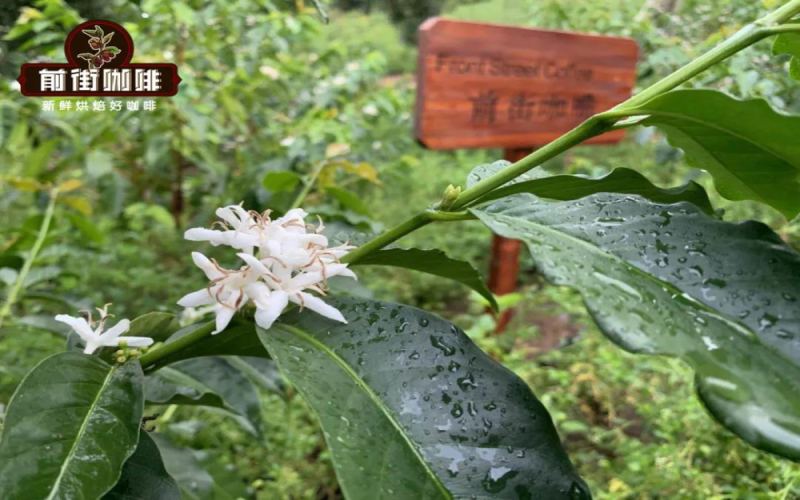
Yunnan small-bean coffee flavor and Typica variety characteristics: A full analysis of origin estates and brewing parameters
Yunnan coffee has frequently appeared in domestic cafés, but few people truly understand its flavor profile. As a representative of Asian beans, Yunnan small-holder coffee has both herbal and pine undertones, along with regional characteristics like brown sugar, tea-like notes, and plum acidity. In terms of varieties, Typica and Catimor form the two main lines of Yunnan coffee: the former is an ancient, high-quality Arabica variety with excellent cupping performance; the latter has strong disease resistance but slightly inferior flavor. Regarding production areas, Baoshan, Pu'er, Lincang, and Dehong each have their own advantages, and Front Street Coffee has even established its own estate in Lincang to cultivate Typica. This article will also share Front Street's medium-light roast brewing parameters and the flavor description of the 2013 sun-dried Typica, giving you a comprehensive understanding of Yunnan coffee. [more…]
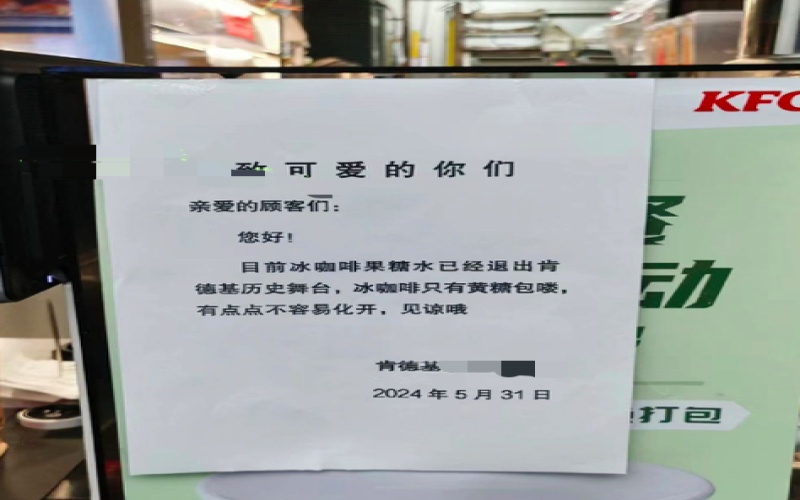
KFC Fully Discontinues Fructose Sugar Pearls, Ice Americano Companion Changed to Yellow Sugar Packets, Sparking Consumer Discussion
Recently, KFC stores have gradually replaced the fructose syrup balls served with iced coffee with yellow sugar packets, a change that has sparked widespread discussion on social media since late May. Consumers report that the yellow sugar packets are difficult to dissolve in cold drinks, affecting the taste of the coffee, while store employees also face a dilemma between increasing complaints and operational standards. Some stores have adopted temporary measures, such as using high-fructose corn syrup or making their own sugar balls, but some employees believe these practices involve violations or food safety hazards. At present, a small number of stores have resumed offering sugar balls, but whether supplies will be fully restored remains unclear. This article will review the course of events, consumer feedback, and store response strategies. [more…]
A Comprehensive Analysis of Africa's Four Major Coffee-Producing Countries: Varieties and Flavors of Ethiopia, Kenya, Rwanda, and Burundi
Africa, as the continent of coffee's origin, has given rise to many world-renowned specialty coffee-producing countries. This article focuses on the four most representative African coffee-producing countries—Ethiopia, Kenya, Rwanda, and Burundi—and systematically reviews their geographical environments, variety characteristics, processing methods, and flavor profiles. Ethiopia's nine major producing regions each have their own distinctive features, from the jasmine aroma of Yirgacheffe to the mocha charm of Hara. Kenya is known for its SL varieties and bright acidity. Rwanda has achieved upgrading of its coffee industry under the promotion of the PEARL program. Burundi has emerged with its Cup of Excellence. Front Street Coffee provided professional information support for this article, hoping to help coffee enthusiasts gain a deeper understanding of the diversity of African coffee. [more…]
A Detailed Guide to Pour-Over Techniques for Geisha Coffee: Flavor Expression from Origin Story to Three-Pour Extraction
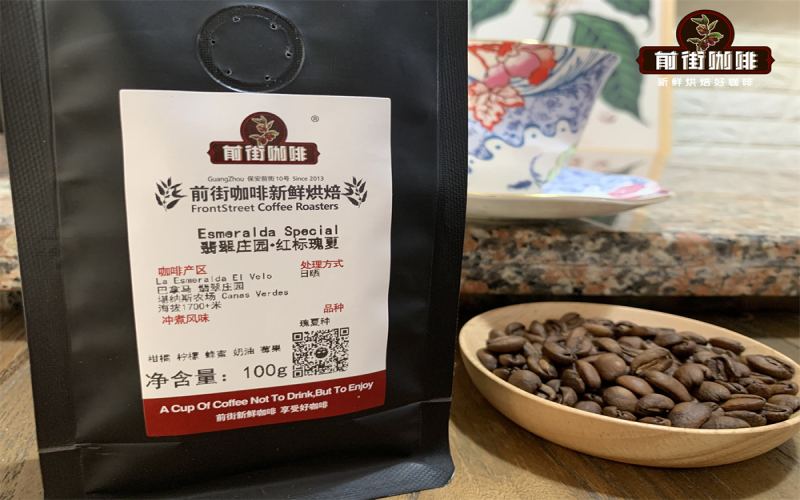
Geisha coffee is hailed as the shining pearl of the specialty coffee world, its delicate and elegant floral notes and fruity acidity haunting the dreams of countless enthusiasts. This article will guide you through Geisha's legendary journey from the remote mountains of Ethiopia to its rise to fame in Panama, analyze how its demanding growing conditions and Panama's unique microclimate together shape its captivating flavors, and share the complete pour-over Geisha steps and key parameters recommended by Front Street Coffee. Whether you wish to refine your brewing skills or gain a deeper understanding of this precious variety, you will find practical references and flavor inspiration in this article. [more…]
Why Are Kenyan Peaberry PB Beans So Rare? A Comprehensive Guide to Kenya's Coffee Grading System and Flavor Differences
Kenya AA is often regarded as the representative of African specialty coffee, but besides AA, the letters PB also appear frequently on Kenyan coffee labels. PB stands for Peaberry, a rare form in which a coffee cherry contains only a single seed, accounting for about 5% of Kenyan coffee. This article will systematically sort out the grading standards for Kenyan coffee, from E-grade Elephant Beans to AA, AB, C, TT, T, and even MH/ML, explaining the basis for each classification and the differences in specifications one by one. At the same time, combined with a Nyeri Ichamama Pearl Peaberry purchased by Front Street Coffee, it will provide an in-depth introduction to its producing region background, processing method, and roasting approach, and through a cupping comparison with Kenya AA, present the mellow and soft flavor characteristics of Peaberry along with brewing suggestions. [more…]
Analysis of Yunnan Coffee Producing Regions: Distribution and Flavor Characteristics, the Evolution of Arabica Varieties, and Front Street Brand Recommendations
Yunnan, as China's most important coffee-producing region, benefits from its prime growing belt near the Tropic of Cancer to cultivate specialty coffee that is aromatic without being harsh, and rich without being bitter. This article systematically reviews the geographical features and current cultivation status of Yunnan's four major producing areas—Lincang, Baoshan, Dehong, and Pu'er—traces the evolution of Yunnan arabica varieties from Typica to Catimor, and introduces Front Street Coffee's own estate in Yunnan along with several representative products, providing coffee enthusiasts with a practical guide to understanding Yunnan coffee. [more…]
Global Classic Coffee Flavor Guide: From Blue Mountain to Mandheling, Savoring the Taste Charm of Kopi Luwak and Italian-Style Espresso
The world of coffee is as vast as the sea, and every classic carries the terroir of its origin and the wisdom of blending. This article will guide you through a tasting journey of the world's most iconic coffee drinks—from the noble and elegant Blue Mountain and the rich, powerful Mandheling, to the rare and unique Kopi Luwak, and further to espresso-based specialties like Espresso, Cappuccino, and Mocha. Whether you prefer pure black coffee or are drawn to creative drinks where milky smoothness meets vinous notes, this flavor compendium will help you find your favorite. Front Street Coffee has always been dedicated to selecting high-quality beans, ensuring every cup delivers an authentic taste. [more…]